
Trusted by Industry-Leading Companies


The problem
“When incidents keep recurring, IT teams spend more time firefighting than innovating. Without a structured approach to identifying root causes, teams remain stuck patching symptoms instead of solving problems.”
HappyFox Problem Management links incidents to underlying problems, documents known errors, and tracks permanent fixes that prevent future disruptions.
Move from reactive to proactive IT.
- Fewer recurring incidents
- 50%
- Faster resolution
- 40%
- Less firefighting
- 60%
Identify and fix root causes permanently.
Use known-error documentation to resolve issues.
Shift from reactive to proactive support.
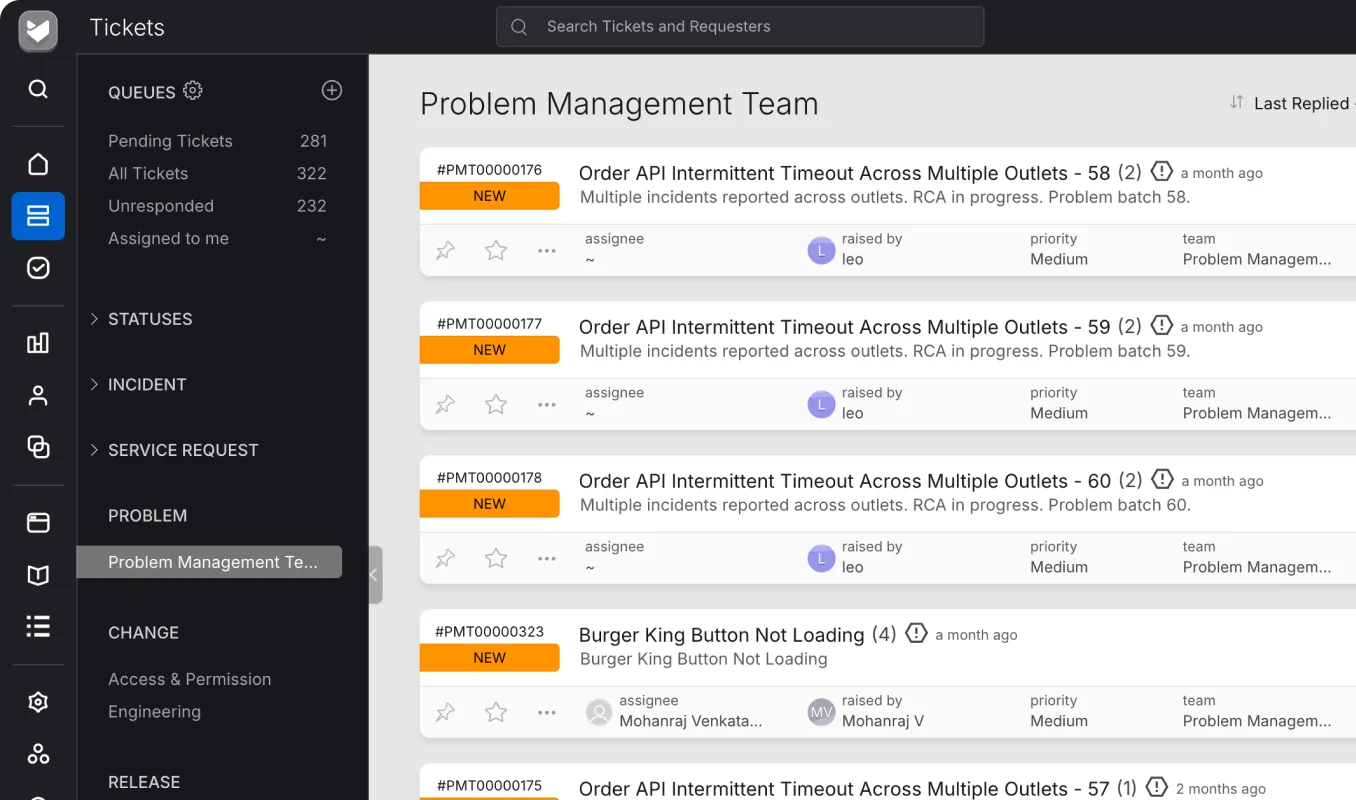
Connect related incidents to one problem record to identify patterns, prioritize root-cause investigation, and understand who is affected.
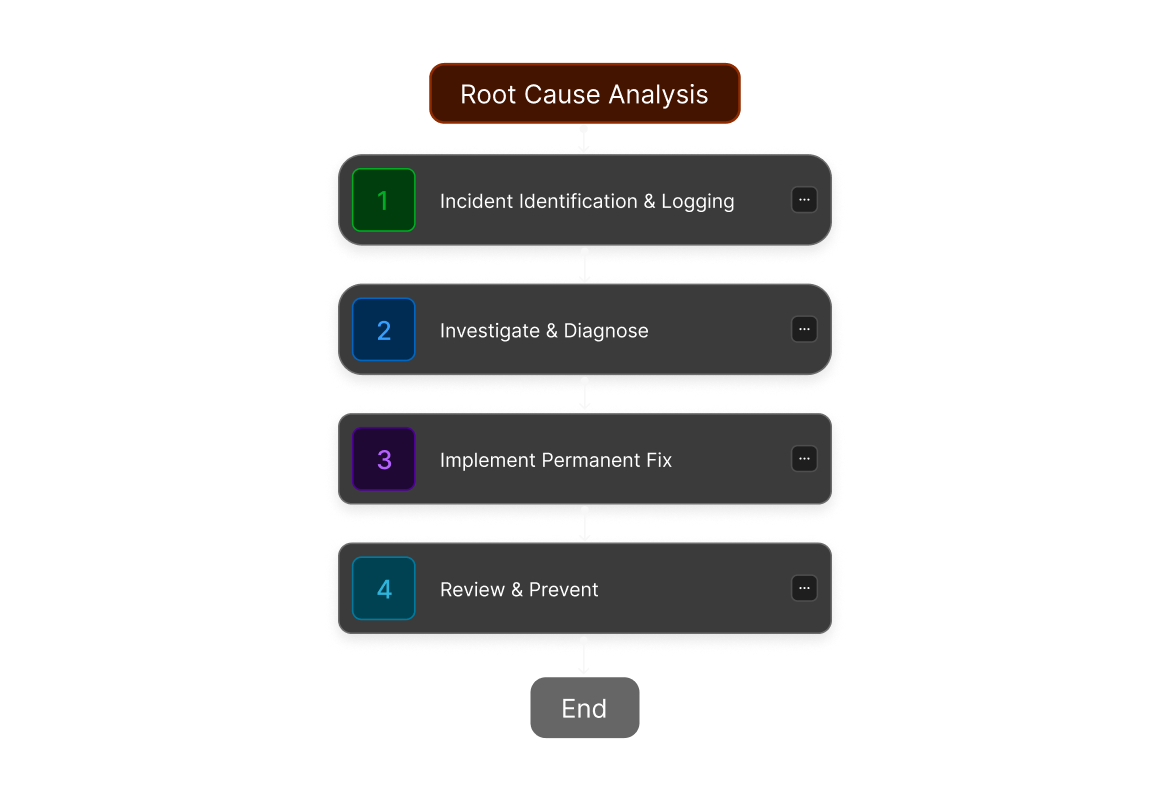
Document investigation steps, capture findings, and track progress from identification to resolution with a clear audit trail.
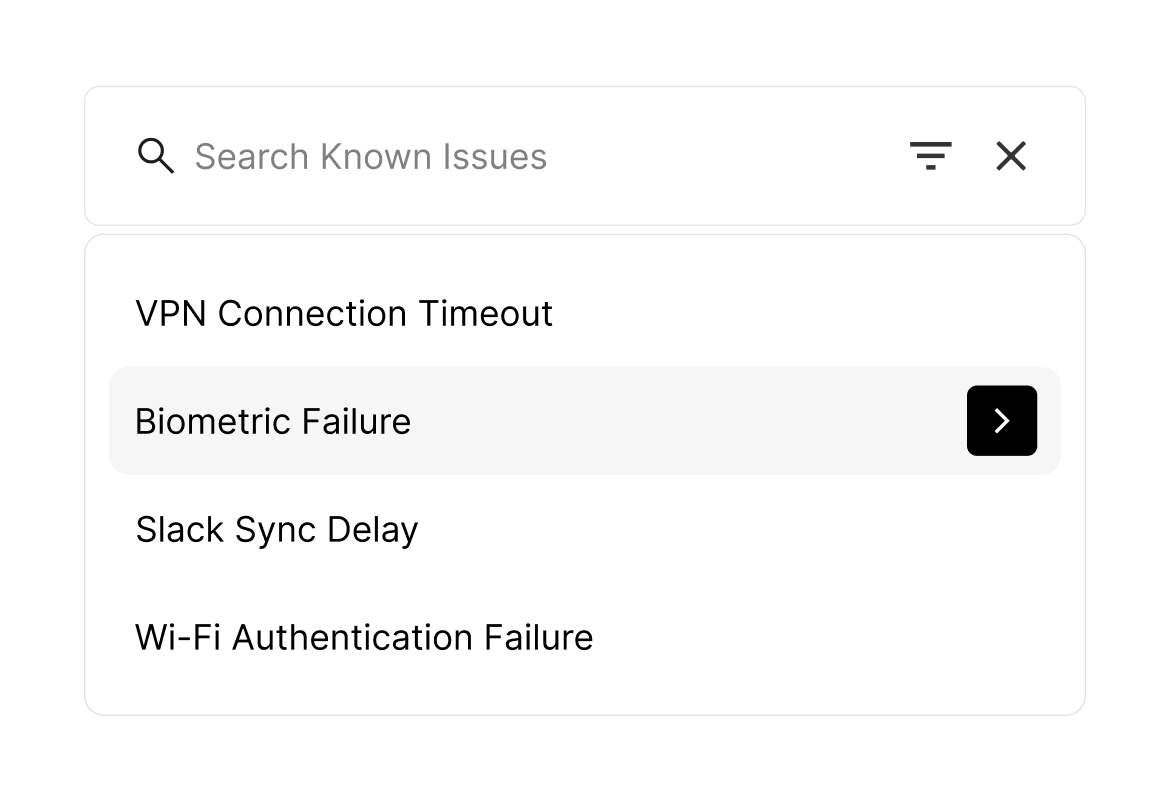
Build a repository of documented problems and workarounds so agents can find consistent solutions to known issues.
Connect problems to change requests, monitor fix deployment, and close related incidents when the root cause is resolved.
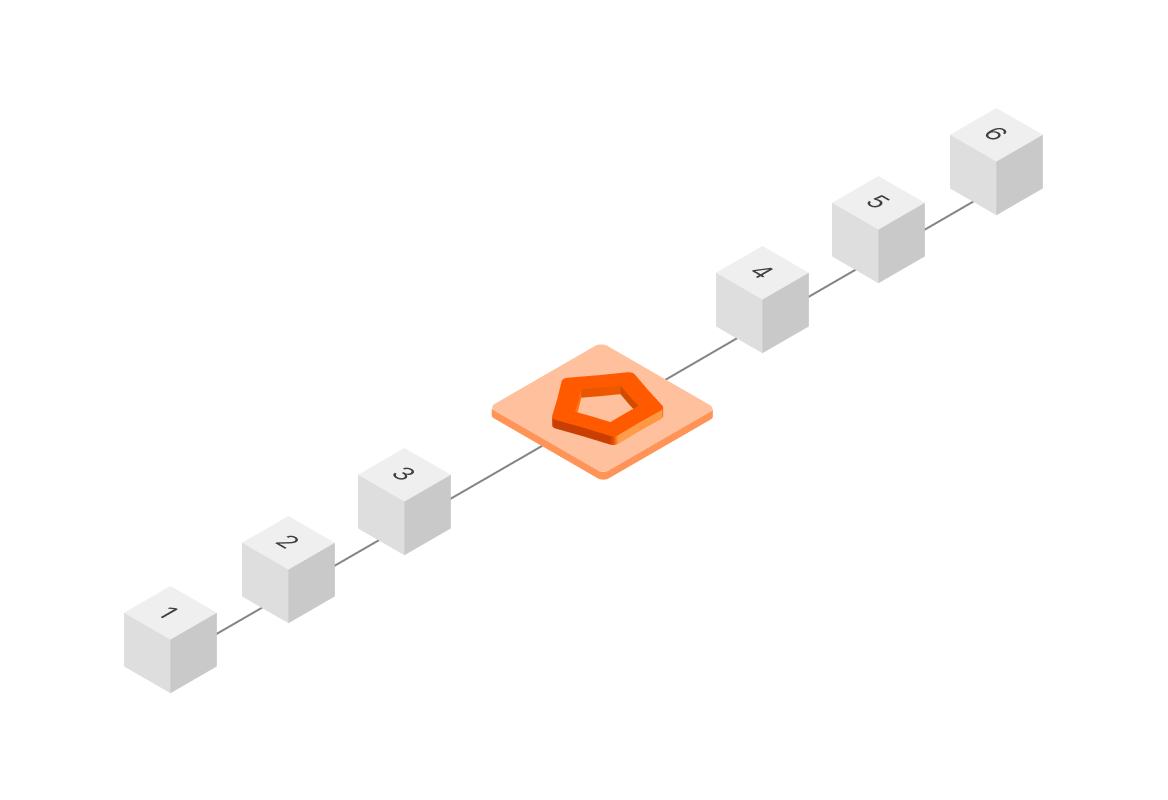
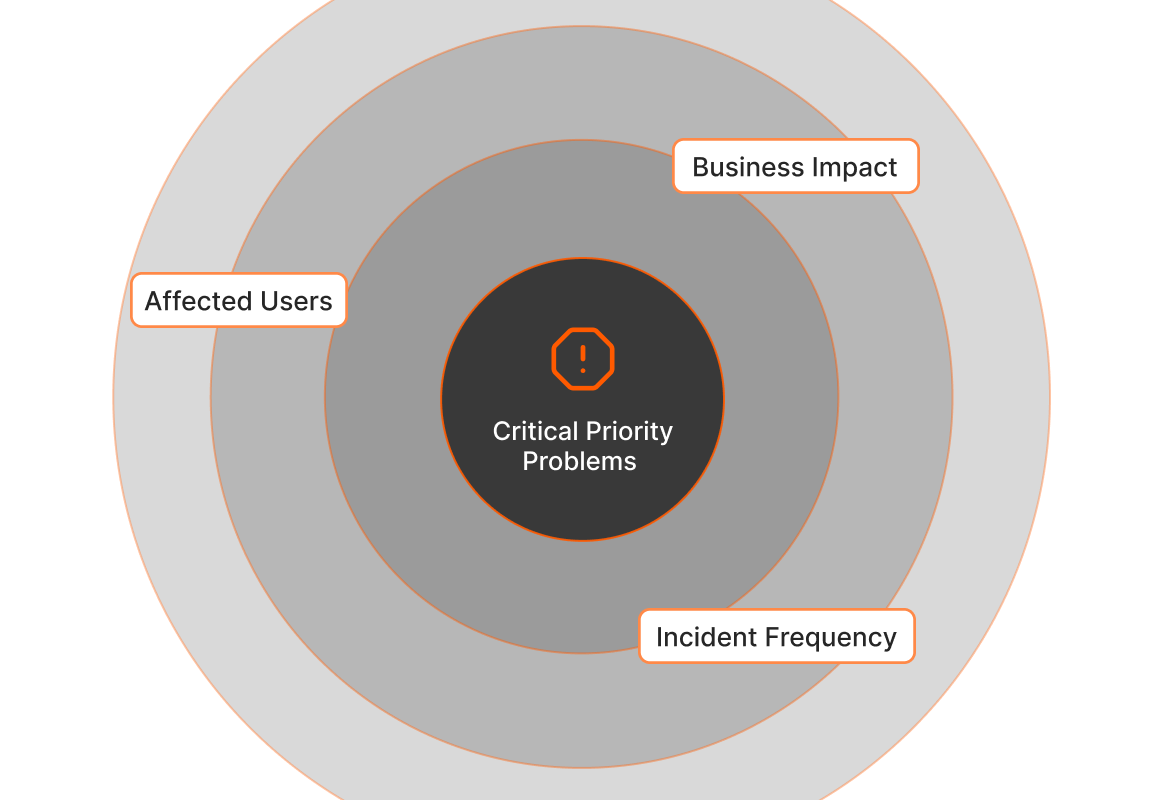
Prioritize problems based on business impact, affected users, and incident frequency so critical issues receive attention.
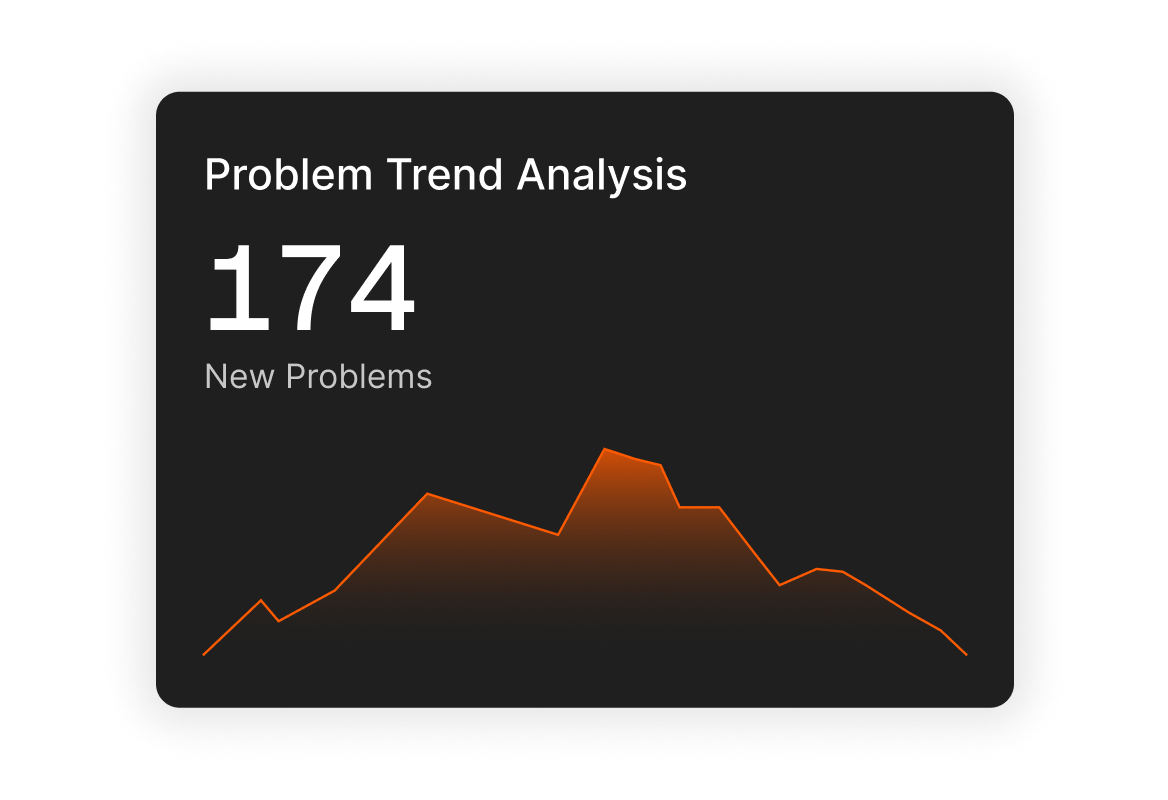
Analyze problem trends, resolution times, and recurring patterns to identify improvements and demonstrate the value of proactive problem management.
Frequently asked questions.
What is Problem Management in HappyFox Service Desk?
Problem Management is an ITIL-aligned feature that helps IT teams identify the root causes of recurring incidents and implement permanent fixes. Teams can diagnose underlying problems, document known errors, and prevent future service disruptions.
How does Problem Management differ from Incident Management?
Incident Management focuses on restoring service as quickly as possible and is reactive. Problem Management is proactive, focusing on finding and fixing the root cause so the incident does not happen again. Incidents trigger problem investigations, and problem resolutions prevent future incidents.
Can I link multiple incidents to a single problem?
Yes. When multiple incidents share a common root cause, you can link them to one problem record. This shows how widespread an issue is and helps ensure all affected users are notified when the problem is resolved.
What is a Known Error Database (KEDB)?
A Known Error Database is a repository of documented problems with their root causes and workarounds. Agents can reference it to provide faster resolutions while a permanent fix is being developed.
How does Problem Management integrate with Change Management?
When a permanent fix requires infrastructure or system changes, you can create a change request directly from the problem record. This applies the proper approval workflow and tracks the fix from planning through implementation.