




Stop Fighting Fires. Start Preventing Them.












Tired of the Same Issues Disrupting Your Services?
When incidents keep recurring, your IT team spends more time firefighting than innovating. Without a structured approach to identifying root causes, you're stuck in a reactive cycle—patching symptoms instead of solving problems. HappyFox Problem Management breaks this cycle by helping you diagnose underlying issues, document known errors, and implement permanent fixes that prevent future disruptions.
Problem Management: From Reactive to Proactive IT
HappyFox Problem Management transforms how your IT team handles recurring issues. By linking incidents to underlying problems, tracking root cause analysis, and documenting known errors, you'll reduce ticket volume and improve service reliability.
50%
Fewer Recurring Incidents
Identify and fix root causes permanently
40%
Faster Resolution
Leverage known error documentation
60%
Less Firefighting
Shift from reactive to proactive support
Master the Art of Root Cause Analysis
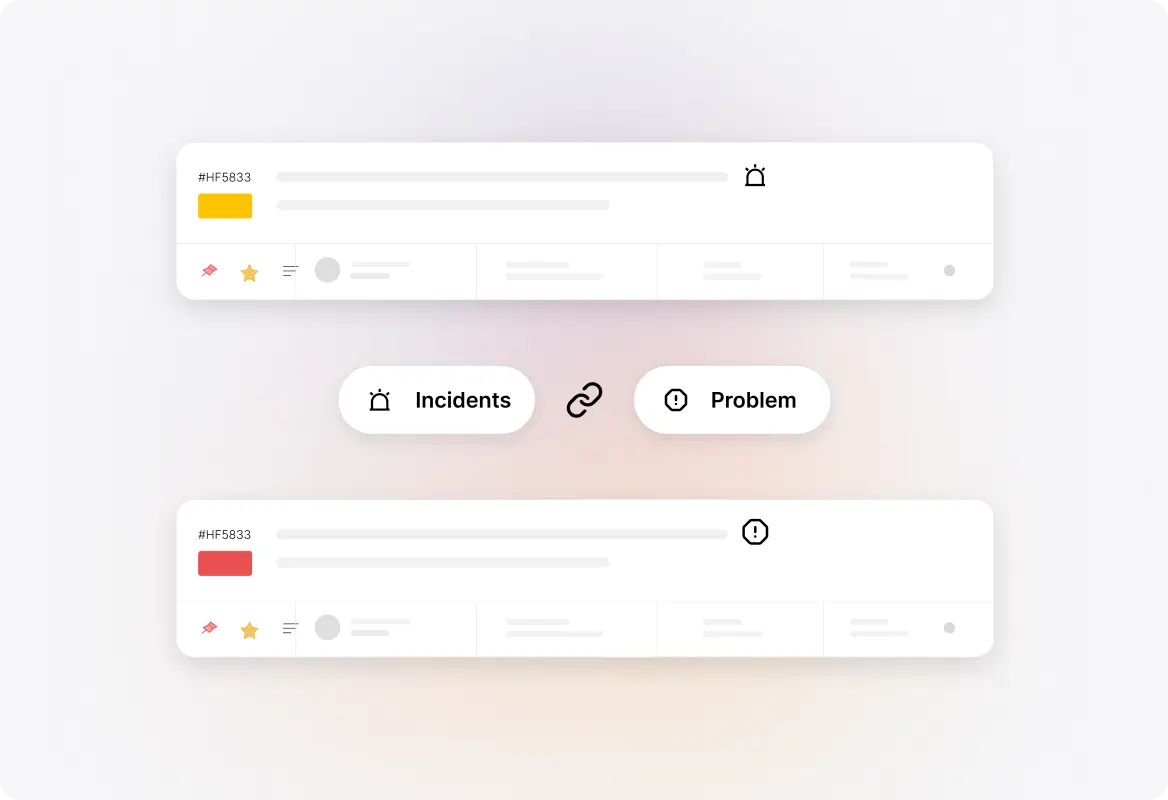
Link Incidents to Problems
Connect related incidents to a single problem record for complete visibility. When multiple users report similar issues, group them together to identify patterns and prioritize root cause investigation. Get instant context on how widespread an issue is and who's affected.
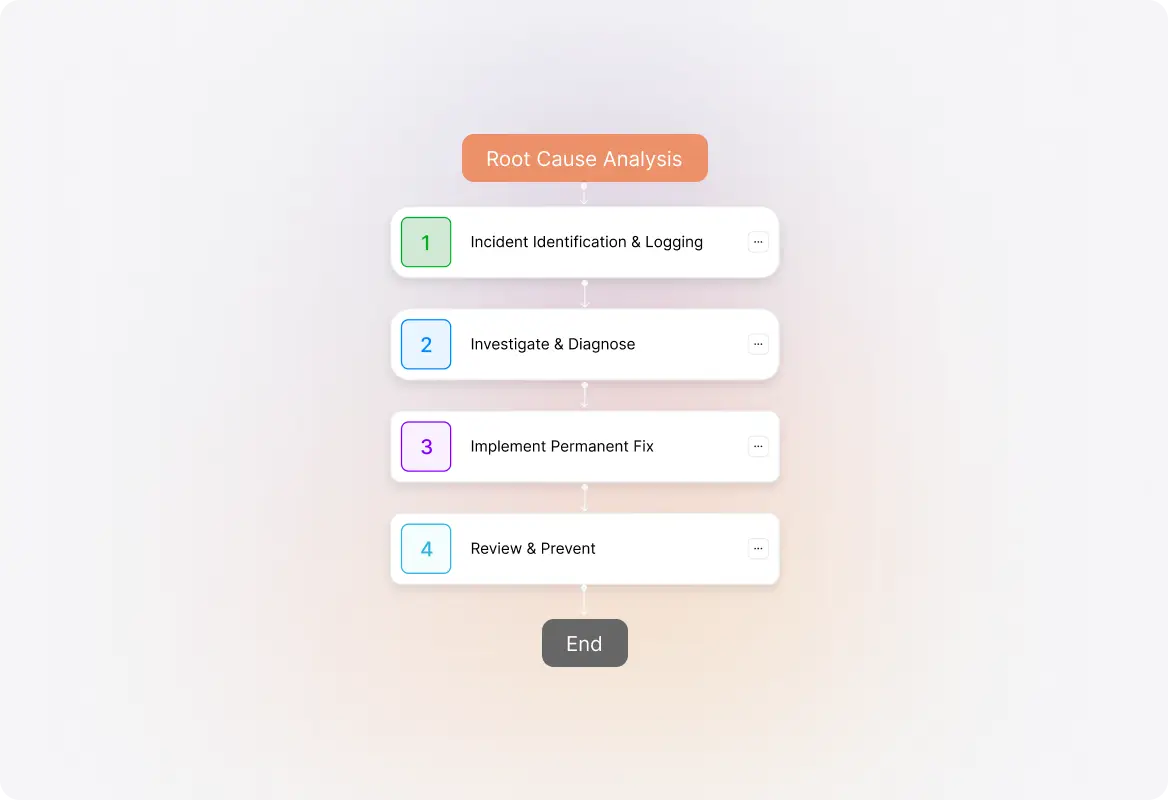
Root Cause Analysis Workflow
Follow a structured approach to diagnosing issues. Document investigation steps, capture findings, and track progress from identification to resolution. Keep your entire team aligned with a clear audit trail of what was tried and what worked.
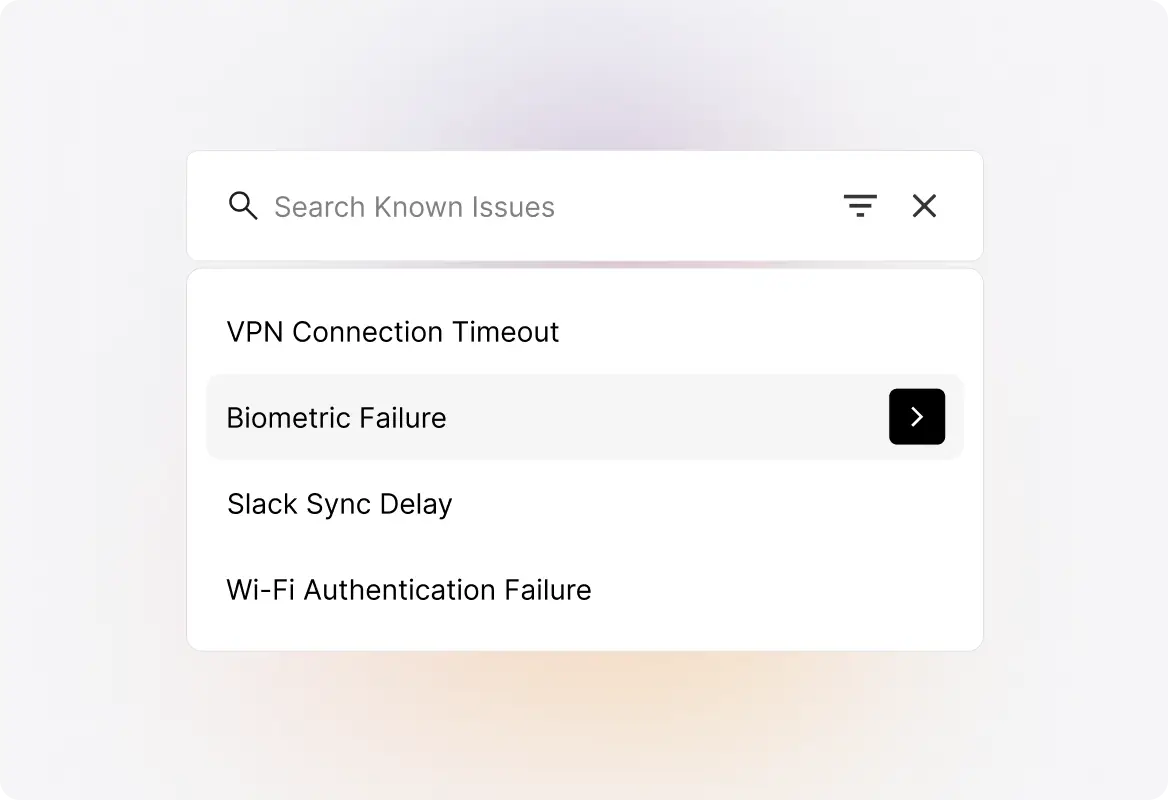
Known Error Database
Build a repository of documented problems and their workarounds. When agents encounter a known issue, they can quickly find the documented solution—reducing resolution time and ensuring consistent responses across your team.
Permanent Fix Tracking
Track the status of permanent fixes from planning through implementation. Link problems to change requests, monitor fix deployment, and automatically close related incidents once the root cause is resolved.

Problem Prioritization
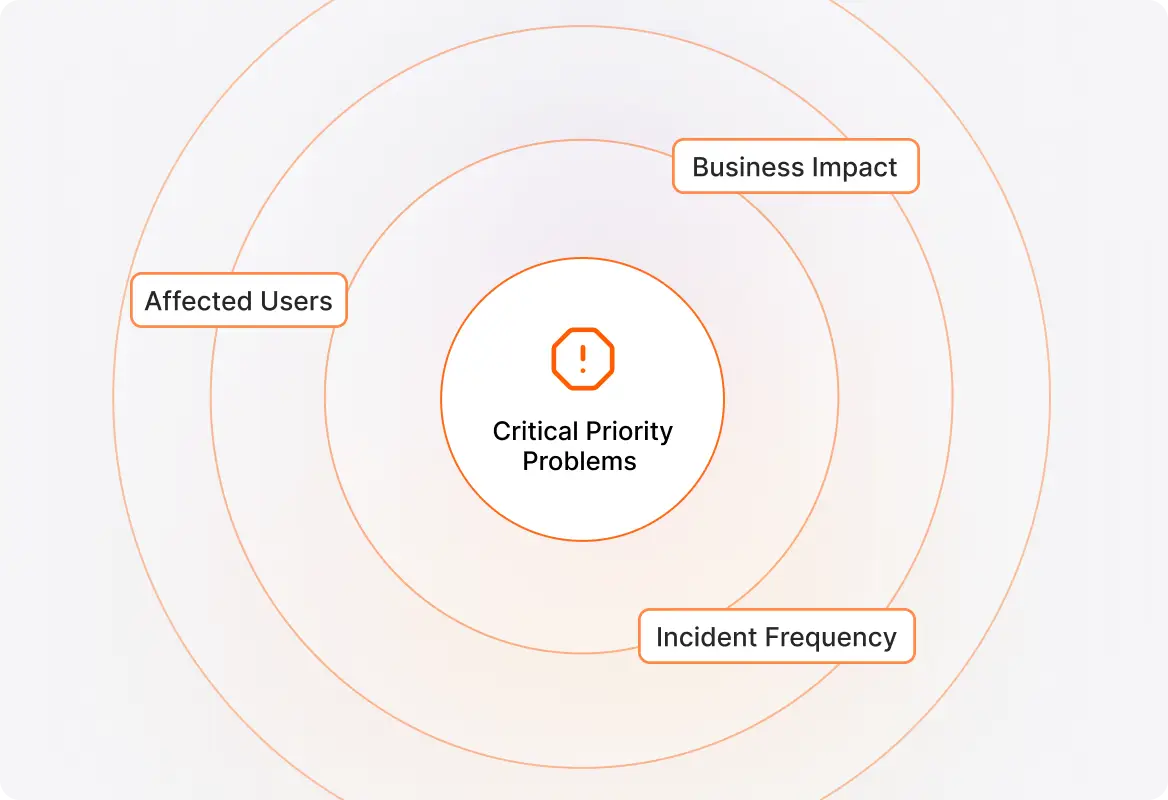
Prioritize problems based on business impact, affected users, and incident frequency. Focus your team's efforts on the issues that matter most, ensuring critical problems get the attention they deserve.
Reporting & Trend Analysis
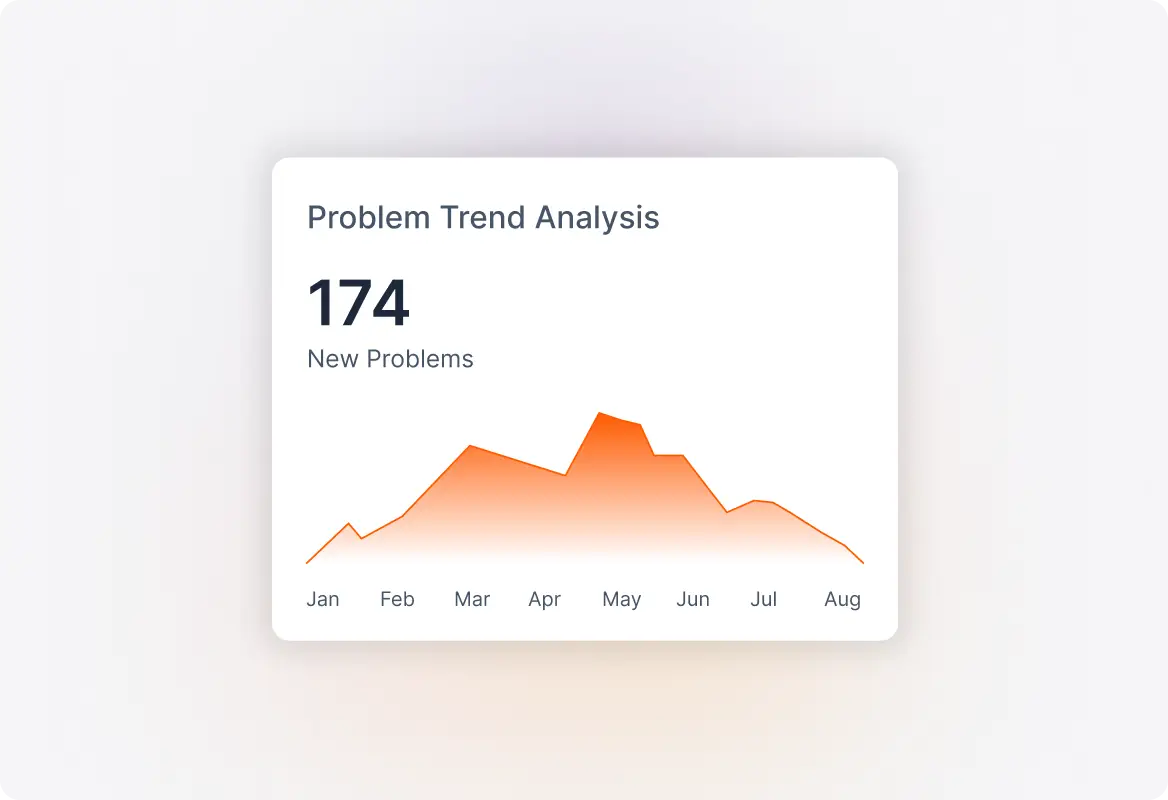
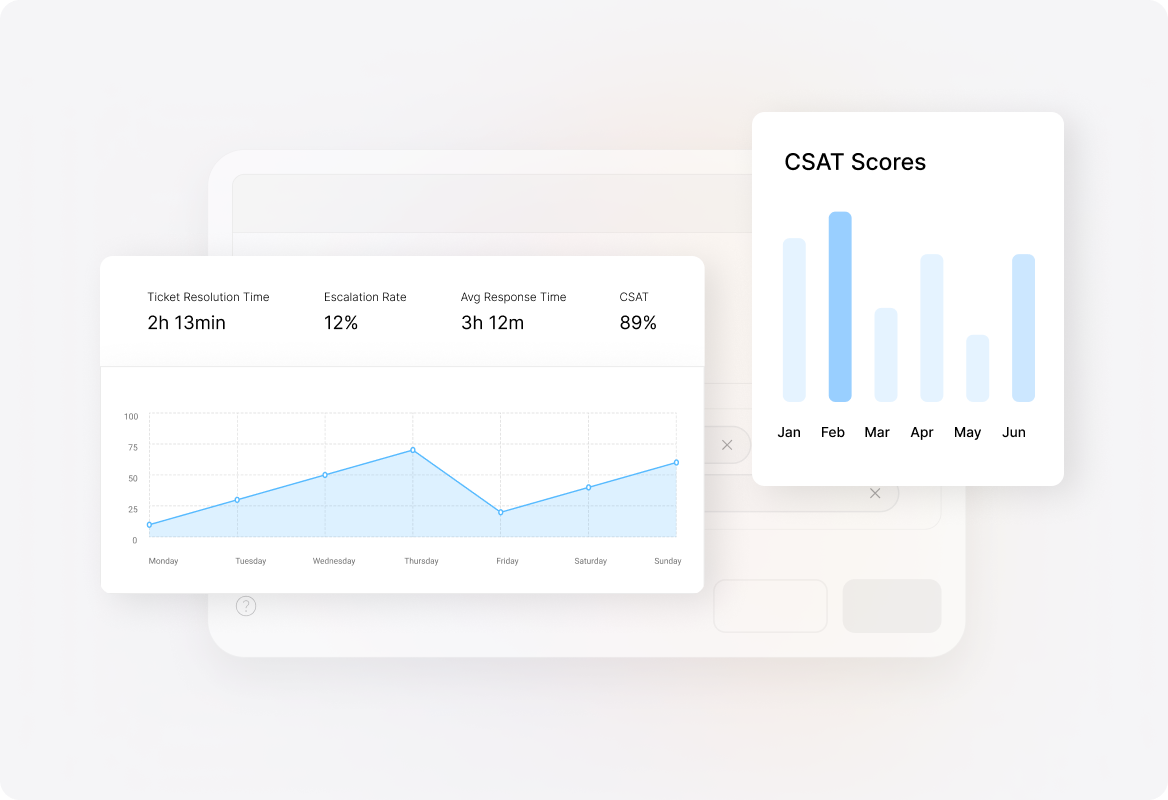
Gain insights into problem trends, resolution times, and recurring issue patterns. Use data-driven reports to identify areas for improvement and demonstrate the value of proactive problem management to stakeholders.
Explore Other Service Desk Features


FAQs
Ready to Break the Cycle of Recurring Issues?
Let us show you how Problem Management can transform your IT operations from reactive firefighting to proactive prevention.

Use Cases
For Business Type
For Industries


Copyright ©2026 HappyFox Inc. All rights reserved.