So, What is a help desk?
4 Types of Help Desk
Who Manages a Help Desk?
What is a Help Desk Software?
What is a Ticket?
What are the popular help desk software features?
What are the most common channels for the help desk?
How is a service desk different from a help desk?
8 questions you should ask yourself before you start looking for a helpdesk solution
What are some popular apps that work alongside help desk software?
A help desk is a centralized support system that assists customers or employees by managing service
requests and technical issues. It uses ticketing software, automation, and multiple communication
channels to track, prioritize, and resolve problems efficiently, improving productivity and overall
service quality.
Help desks can be either physical, with dedicated staff working at a specific location, or virtual, in
which support
agents are remotely available through various channels such as phone, email, live chat, or social media.
The most
advanced help desks employ advanced technologies like artificial intelligence (AI), machine learning,
and automation to
provide quick, accurate, and efficient assistance.
A help desk can be a valuable asset for any organization, as it contributes to the enhancement of customer satisfaction, employee productivity, and overall operational efficiency. Here are some key reasons why your organization needs a help desk:
A help desk serves as a centralized platform for managing customer or employee inquiries, allowing for quick and efficient responses to issues. This reduces the time spent on resolving problems and ensures a seamless support experience for the users.
When customers receive timely, effective support, their satisfaction levels increase. A help desk enables businesses to deliver high-quality assistance to their customers, fostering long-term loyalty and maintaining a positive brand image.
For organizations with an internal help desk, employees can quickly receive assistance with technical issues, software, and hardware problems. This minimizes downtime and enhances overall productivity, enabling employees to focus on their core tasks.
Help desks often come with built-in analytics and reporting capabilities, providing valuable data on user inquiries and support interactions. This data can be used to identify trends, make informed decisions, and improve the support process, ultimately leading to an enhanced user experience.
As your organization grows, so does the volume of support requests. A help desk allows you to effectively manage an increasing number of inquiries without compromising the quality of support, ensuring that your organization remains efficient and customer-focused.
A help desk ensures that every support request is dealt with following the same protocols and procedures, providing a consistent experience for users. This standardization makes it easier for the organization to maintain and improve the quality of support over time.
Help desks can be used to build and maintain a knowledge base that contains solutions to common issues and frequently asked questions. This resource empowers users to find answers themselves, reducing the load on support agents and enabling customers to resolve issues faster.
There are various types of help desks designed to cater to different needs and requirements. There are four main types of help desks: internal, external, outsourced, and hybrid. Each type serves a unique purpose and offers specific advantages to the organizations that utilize them.
An internal help desk is designed to support the employees within an organization. It typically focuses on addressing technical issues, providing software support, and troubleshooting hardware problems. By offering in-house assistance, internal help desks ensure that employees have access to timely and efficient support, ultimately improving overall productivity and operational efficiency within the organization. Some examples of internal help desks are:
Here are some examples illustrating a practical application of an internal help desk:
External help desks, on the other hand, are dedicated to assisting customers who are facing issues or have queries about a company's products or services. These help desks play a crucial role in enhancing customer satisfaction, as they provide timely resolutions to customer inquiries and help maintain a positive brand image. External help desks are often available through various channels, such as phone, email, live chat, and social media, making it easy for customers to get the help they need. Some examples of internal help desks are:
Here are some examples illustrating a practical application of an external help desk:
An outsourced help desk is when a company delegates its support operations to a third-party service provider. This allows businesses to tap into the expertise and resources of external partners, enabling them to deliver high-quality customer service without having to invest in building an in-house help desk team. Outsourcing help desk functions can be cost-effective and time-saving, as it allows organizations to focus on their core competencies while benefiting from the specialized skills and knowledge of the outsourcing provider.
Here are some examples illustrating a practical application of an outsourced help desk:
A hybrid help desk combines elements of both internal and external help desks, often involving a mix of in-house and outsourced support agents. This model allows organizations to strike a balance between maintaining direct control over their support operations while still benefiting from the cost savings and expertise of outsourcing partners. A hybrid help desk can be an ideal solution for businesses that want to maintain a certain level of in-house support but also need external assistance to handle increased support demands or specific technical expertise. What are some examples of internal and external help desk?
Here are some examples illustrating a practical application of a hybrid help desk:
These examples showcase how different help desk types can be employed to address various support needs, tailored to an organization's unique requirements and resource constraints. By choosing the right type of help desk, companies can deliver excellent support to both customers and employees, improving satisfaction, help desk experience, and productivity levels.
A person within an organization who configures and manages the help desk processes, workflows, and tools required for the team to successfully deliver a great customer experience
Usually a subject matter expert and person responsible for meeting service level agreements and managing the customer support process. A support manager supervises a team of support agents. They ensure work is proportionately distributed among support agents and leads up to a great support experience for customers. In a small business, the support team or IT team usually has only one support manager, while in a large call center setup, there would be more than one support manager.
A person who responds to customer support requests and helps resolve them on behalf of the business. Support agents can be both generalists or specialists. Their job core skills can range from technical support, IT support, or business operations support, depending on the support function. If support agents are unable to resolve an issue, they escalate the request to a support manager or another specialized support agent.
Choosing the perfect customer service software isn't easy. A typical help desk includes a ticket management system, a self-service portal, reports, and community forums. To help you narrow down on the ideal customer service tool, we at HappyFox have curated this handy scorecard.
Download Scorecard →
Many people use these terms interchangeably, but they serve slightly different purposes.
A help desk primarily focuses on resolving incidents and service requests.
A service desk is broader and aligns with IT Service Management frameworks such as ITIL. It includes
change management, problem management, asset management, and configuration management.
In short:
Help desk = reactive issue resolution
Service desk = strategic IT service management
Organizations that require advanced ITSM capabilities typically adopt service desk platforms, while
customer-facing teams often rely on help desk systems.
| Help Desk | Service Desk |
|---|---|
| Focuses on resolving technical issues and support tickets | Manages overall IT services and service delivery |
| Primarily reactive (break/fix support) | Both reactive and proactive |
| Handles incidents and basic service requests | Handles incidents, changes, problems, and configuration management |
| Often used for customer or internal support | Aligns IT services with business strategy |
| Focused on operational efficiency | Focused on strategic IT service management (ITSM) |
Before you start searching for a helpdesk solution, asking yourself the following questions can help you identify your organization's needs and requirements, ensuring you select the right solution:
By addressing these questions before you start looking for a helpdesk solution, you can identify your organization's unique needs and find a solution that best aligns with those requirements, ultimately leading to more efficient support operations and enhanced customer satisfaction.
The most common channels for help desks enable users to seek assistance through a variety of communication methods, ensuring that customers and employees have multiple avenues to obtain support. Here are some of the most common help desk channels:
Many help desks provide support through a dedicated phone line, allowing users to call in and speak directly with a support agent. This is often the preferred method for urgent issues or when more in-depth troubleshooting is required.
Email support enables users to send inquiries or report issues directly to the help desk team. Support agents can then reply with detailed instructions or solutions, allowing users to reference the email as needed.
Live chat functionality enables users to interact with support agents in real-time through a website or app. This channel allows for immediate assistance and is often preferred for its convenience and efficiency.
A self-service portal is an online platform that provides users with access to a knowledge base, FAQ section, or troubleshooting guides. Users can find answers to their questions or resolve issues independently, reducing the load on support agents and enabling faster resolution.
Many help desks now offer support through social media channels such as Facebook, Twitter, and LinkedIn. Users can send direct messages or mention the company in their posts to receive assistance.
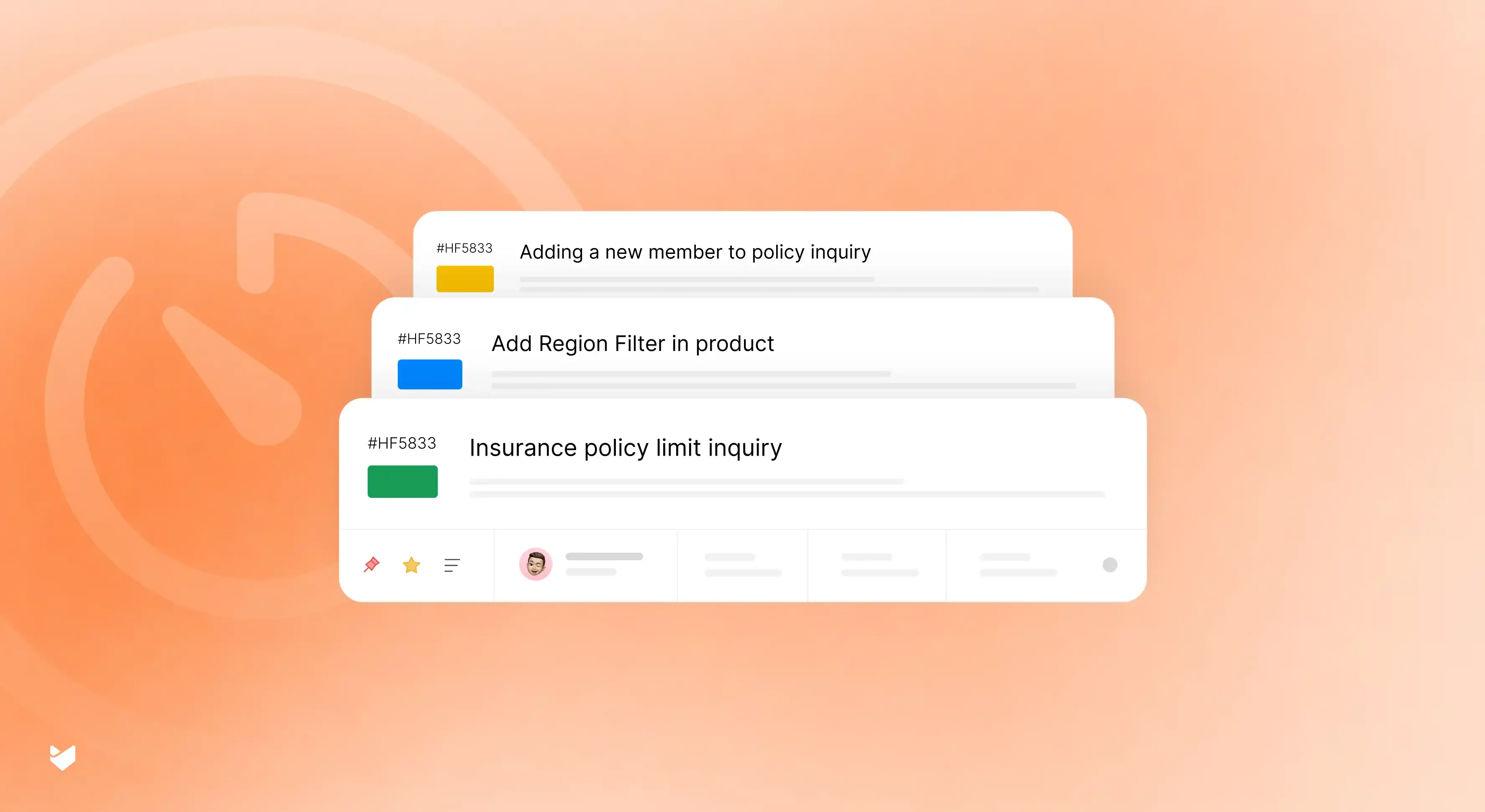
A ticketing system allows users to submit a support request through an online form, which then generates a unique ticket number. Users can track the progress of their request and receive updates on the resolution.
Some help desks offer community forums where users can post questions or discuss issues with other customers or support agents. This channel enables users to benefit from the collective knowledge of the community, often providing quicker solutions to common problems.
By offering multiple help desk channels, organizations can cater to the diverse preferences and needs of their customers and employees. This ensures that users receive prompt, effective support, resulting in higher satisfaction levels and an enhanced overall experience.
Help desk software is a digital system that powers support operations by converting inquiries into structured tickets, automating task assignments, enforcing service-level agreements, and providing performance insights. It enables teams to organize, track, and optimize service workflows across multiple communication channels.

Help Desk software offers a variety of exclusive features that are designed to streamline support processes and enhance the overall user experience. Some popular features found exclusively in HappyFox help desk software include:
Turning incoming requests into help desk tickets is a fundamental feature that enables the organization, assignment, and resolution of support inquiries. It provides a structured approach to managing user inquiries and ensures that no issue goes unaddressed.
Help desk software often includes tools for creating, managing, and sharing knowledge articles or FAQs. By making this information readily available to end-users, they can search for and find instant answers, reducing the load on support agents.
Automation features like auto-assignment, canned responses, business rules, and workflows can significantly enhance ticket management efficiency. By automating repetitive tasks and processes, support agents can focus on providing more personalized and effective assistance.
Help desk software often includes tools for managing and tracking service level agreements (SLAs). These tools help companies monitor their performance against customer expectations, ensure timely resolution of issues, and receive alerts when tickets are at risk of breaching their SLA.
Up-to-the-minute reports are essential for evaluating support performance and making data-driven improvements to operations. Real-time reporting features in help desk software allow organizations to monitor key performance indicators (KPIs) and assess their progress towards meeting their goals.
Help desk software with asset management capabilities enables companies to track tickets related to hardware and software assets. By maintaining a list of assets and their impact on business operations, organizations can better address support requests that pertain to specific hardware or software components.
Custom fields are a popular help desk software feature that allows
organizations to
capture specific information that may not be available through the default fields provided by the
software. These
fields can be tailored to meet the unique requirements of an organization's support process or to
collect additional
information that is relevant to their business or industry.By adding custom fields to support tickets,
organizations
can gather data that is crucial for understanding, categorizing, and prioritizing support requests more
effectively.
Custom fields can also help support agents identify patterns, trends, or common issues within the
collected data,
which can be used to optimize support processes and better address customer needs.
In addition to ticket forms,
custom fields can be applied to user profiles, assets, or other objects within the help desk software,
providing
more granular control and organization of information. Overall, custom fields enhance the flexibility of
a help desk
system, allowing organizations to tailor the software to their specific needs and streamline their
support
operations.
Help desk ticketing systems are commonly integrated with sales CRM, eCommerce platforms, telephony systems, and remote desktop management solutions such as Salesforce, Shopify, Ringcentral, Logmein Rescue, and more.