















Best Shared Inbox Software for 2026: Top 9 Tools for Support, Sales, and HR Teams

Shalin
Founder & CEO HappyFox
March 27, 2026
When a support@, sales@, or hr@ inbox is managed through a regular email account, things break fast - duplicate replies go out, emails get missed, and no one knows who owns what. Shared inbox software solves this by giving multiple team members a single collaborative workspace with assignment, collision detection, automation, and reporting built in.
This guide covers the nine best shared inbox software tools for 2026, evaluated across features, pricing, ease of use, and real-world fit for customer support, IT, HR, and sales teams. Every tool is reviewed with honest strengths and limitations - so you can shortlist the right option without wading through one-sided marketing comparisons.
Whether you are replacing a shared Gmail account, switching from a tool that has become too limited, or setting up structured email management for the first time, the breakdown below gives you everything you need to make the right call.
Key Features to Look for in Shared Inbox Software
When evaluating shared mailbox solutions, prioritize these essential capabilities:
-
Collaborative Tools:
Features like internal notes, @mentions, and shared drafts facilitate team coordination without cluttering customer-facing communication.
-
Assignment and Ownership:
The ability to assign messages to specific team members creates accountability and ensures no emails slip through the cracks.
-
Collision Detection:
This vital feature prevents multiple team members from responding to the same message simultaneously, avoiding duplicate or contradictory responses.
-
Automation Capabilities:
Look for tools with customizable workflows, auto-routing, and template responses to reduce manual work and ensure consistency.
-
Reporting and Analytics:
Comprehensive metrics help identify bottlenecks, measure performance, and continuously improve your customer communication.
-
Integration Flexibility:
The ability to connect with your existing tools (CRM, help desk, project management) creates a more seamless workflow.
How We Evaluated These Shared Inbox Tools
Every tool on this list was assessed against the same nine criteria outlined above. Here is how each criterion was weighted and what we looked for in practice.
-
Assignment and routing was treated as non-negotiable. Tools without automatic assignment - round-robin, load-balanced, or rule-based - were marked down regardless of other strengths. Manual-only assignment does not scale past five to ten agents.
-
Collision detection was tested for both proactive and reactive modes. Tools that only block sending after a duplicate reply has already gone out scored lower than tools that show live agent activity on a ticket in real time.
-
Automation depth was evaluated on the number of trigger conditions supported and whether multi-condition rules were available. Single-condition automations are insufficient for teams with more than two queue categories.
-
Omnichannel capability was noted explicitly - whether each tool handles email only or extends to chat, social, WhatsApp, and voice natively. This distinction matters significantly for teams managing customer queries across multiple channels.
-
Pricing transparency was assessed on whether pricing is publicly listed, whether per-agent costs are clear, and whether an unlimited agent option exists. Tools with hidden fees or quote-only pricing for standard tiers were flagged.
-
G2 and Capterra ratings were used as a secondary signal - minimum 4.3 out of 5 on either platform for inclusion. Rating volume was also considered - a 4.8 from 12 reviews carries less weight than a 4.4 from 2,000.
-
Ease of setup was evaluated on whether teams can be operational without IT involvement or developer resources. Tools requiring custom configuration or dedicated implementation support were noted as such.
Best Shared Inbox Software Solutions 2026
|
Tool |
|||||
|---|---|---|---|---|---|
|
|
|
|
|
|
|
|
|
|
|
|
|
|
|
|
|
|
|
|
|
|
|
|
|
|
|
|
|
|
|
|
|
|
|
|
|
|
|
|
|
|
|
|
|
|
|
|
|
|
|
|
|
|
|
|
|
|
|
|
|
|
|
The 9 Best Shared Inbox Software Solutions for 2026

HappyFox


HappyFox stands out for its intuitive interface combined with powerful shared inbox functionality. Their AI features provide intelligent assistance for faster, more accurate responses while maintaining the human touch customers appreciate. The platform's versatility makes it suitable for businesses of all sizes managing shared email accounts.
The platform's versatility makes it suitable for businesses of all sizes managing shared email accounts. HappyFox transforms scattered email management into coordinated team workflows with straightforward setup and collision detection capabilities that prevent duplicate responses. The system's minimal learning curve allows teams to quickly establish sophisticated shared inbox processes while its advanced automation ensures consistent communication, making it ideal for organizations seeking to eliminate email confusion and improve response accountability.
Key Features
-
Omnichannel support capabilities:
Converts requests from multiple communication channels like email, phone, chat, and social media into centralized tickets for unified customer service management.
-
Team coordination features:
Enhance collaboration through private notes, @mentions, task assignment, and agent collision detection preventing duplicate work.
-
Powerful automation:
Optimize workflows and streamline operations with Smart Rules, time and event triggers, auto-assignment, and custom workflows.
-
AI-powered capabilities:
Boost team efficiency with artificial intelligence that automatically categorizes tickets, suggests responses, predicts knowledge gaps, and provides intelligent routing.
-
Customizable knowledge base integration:
Set up a fully customizable support centre with rich KB resources that are easy to create, search and share for faster issue resolution.
-
Detailed reporting and analytics:
Access advanced reports around ticket inflow, resolution times, agent performance, SLA compliance, and customer satisfaction metrics.
-
Multi-brand management:
Centrally manage multiple brands under one help desk with personalized customer portals, exclusive branding, logos, and content structures for each brand.
-
Extensive third-party integrations:
Seamlessly connect with over 50 popular SaaS applications across CRM, project management, accounting, SSO, marketing and other business categories.
Key Strengths
-
Intuitive Interface & Rapid Setup:
No steep learning curve or complex onboarding—get your support system running in under an hour with powerful features that don't require extensive training.
-
Customization Flexibility:
Adapts to any team or use case with deep customization across ticketing, support centers, workflows, automations, and reporting—going beyond one-size-fits-all solutions.
-
Comprehensive AI-Powered Support:
AI-driven productivity with instant ticket summaries, smart response suggestions, automatic resolution recommendations, priority detection, and knowledge base optimization.
-
Scalable & Transparent Pricing:
Flexible pricing that grows with your team—start small and scale effortlessly without hidden costs. Plus unlimited-agent plans with cost-saving potential for larger teams.
-
Exceptional Customer Support Culture:
Entire team, including leadership, is committed to your success—ensuring faster escalations, quicker resolutions, and direct access to decision-makers.
-
Enterprise Features Without Complexity:
Get all the functionality you need without unnecessary complexity, steep learning curves, or the overhead typically associated with enterprise solutions.
Ideal For
-
- Startups with limited resources that need quick setup, AI automation, and affordable pricing that scales.
- Growing companies that need simple, all-in-one solutions without complexity or high costs.
- Organizations with multiple teams (IT, HR, Facilities) that need unified collaboration for internal and external support.
- Large operations that need enterprise-grade security, global deployment, and deep system integrations.
Pricing

Using HappyFox, we can now support our 200+ sites with a staff of three! Enough said.
Matt Pendergraff
Creative Director/Principal of PDG+creative

HubSpot Service Hub
HubSpot's shared inbox solution excels through its deep integration with their CRM ecosystem. This connection provides agents with complete customer context for more personalized interactions, making it ideal for teams looking to deliver a unified customer experience across marketing, sales, and support.
Key Features
-
Native integration with HubSpot's CRM platform
-
Conversation routing and ticket automation
-
Shared email aliases with team responsibility
-
Customer feedback tools and satisfaction surveys
-
Knowledge base creation capabilities
-
Comprehensive reporting dashboard
Best For
-
Companies that want seamless CRM integration with their shared inbox
Pricing
Need help deciding?
Compare HappyFox vs Hubspot.


Front
Front excels at bringing all communication channels together in a centralized shared inbox while maintaining a clean, intuitive interface. The platform's collaborative features, like shared drafts and internal comments, foster teamwork while preventing response overlaps. It's particularly valuable for agencies and customer-facing teams managing complex communication workflows.
Key Features
-
Unified platform for emails, SMS, social media, and chat
-
Collaborative drafting tools for consistent messaging
-
Advanced routing and assignment options
-
Seamless integration with 50+ business applications
-
Detailed conversation analytics and reporting
Best For
-
Teams managing high volumes of messages across multiple channels.
Pricing
We also recommend reading:
Best Helpdesk Ticketing Systems & Tools in 2026

Help Scout
Help Scout focuses on creating a personal support experience that doesn't feel like a ticket system to customers. Their clean interface and thoughtful workflow design help teams provide more human-centered customer service through their shared inbox, making it ideal for companies that prioritize relationship building.
Key Features
-
Conversational ticketing with threaded discussions
-
Comprehensive knowledge base integration
-
Customer satisfaction measurement tools
-
Collision detection to prevent duplicate work
-
Mobile apps for on-the-go management
Ideal For
-
Customer-focused teams seeking a straightforward yet powerful shared inbox tool.
Pricing
Recommended Reading:
15 Best HelpScout Alternatives 2026


Hiver
Hiver transforms Gmail into a powerful shared inbox without requiring users to learn a new interface. This approach significantly reduces onboarding time while maintaining the familiar Gmail experience. Teams already invested in Google Workspace will find Hiver's seamless shared inbox integration particularly valuable.
Key Features
-
Native Gmail integration with minimal learning curve
-
Email delegation and tracking capabilities
-
Shared labels and notes within email threads
-
Collision alerts to prevent duplicate responses
-
Analytics for response times and team performance
Best For
-
Gmail-centric teams looking for shared inbox functionality.
Pricing

Missive
Missive blends email and chat functionality to create a highly collaborative shared inbox environment. Teams can work together on responses in real-time, similar to Google Docs, ensuring consistent communication. It's particularly effective for small teams that need to stay tightly coordinated across multiple channels.
Key Features
-
Multi-channel support for email, social media, and SMS
-
Real-time collaborative editing of responses
-
Shared drafts with version control
-
Advanced task management capabilities
-
Custom rules and automation options
Best For
-
Small teams prioritizing real-time collaboration
Pricing

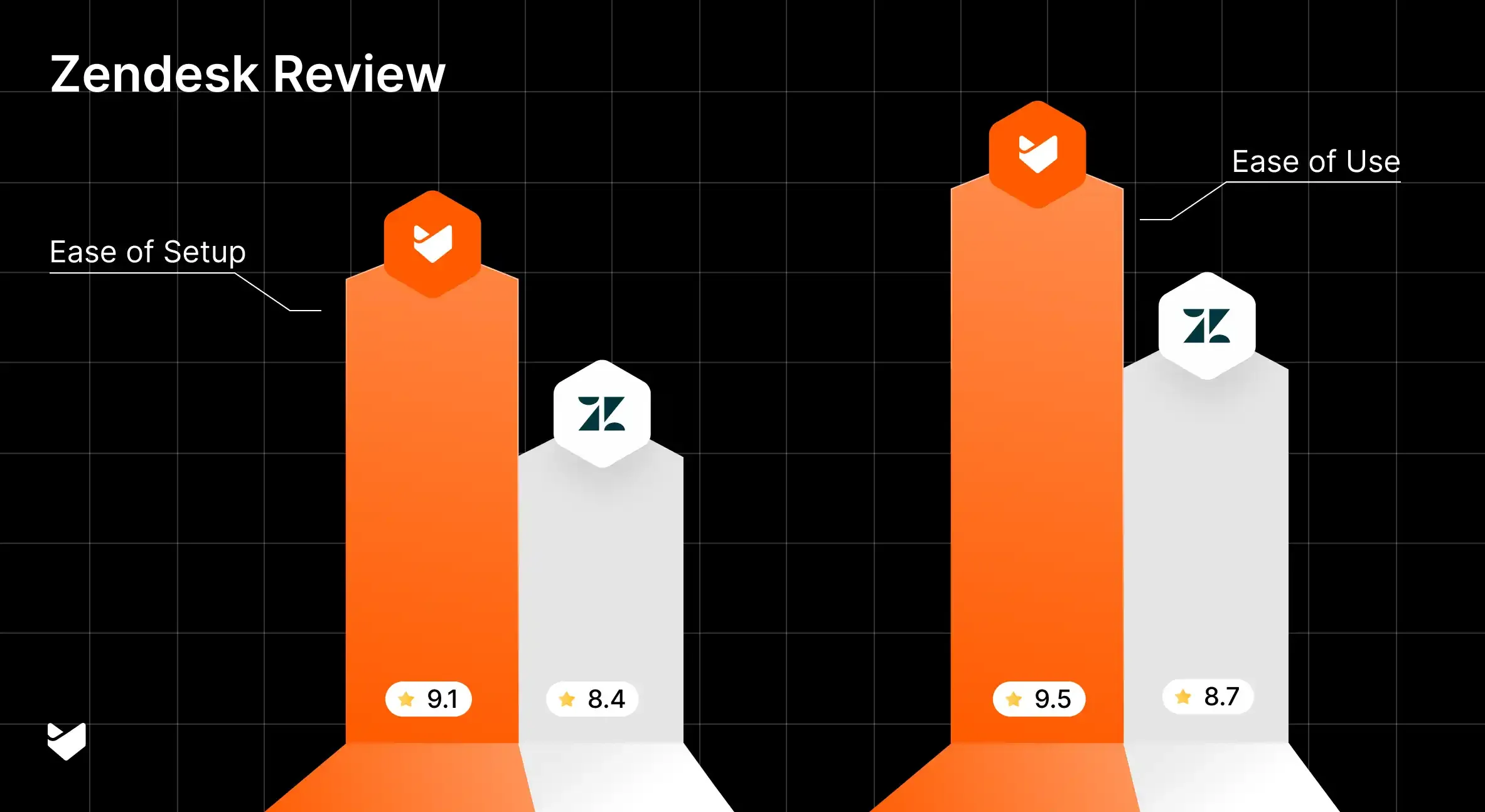
Zendesk
Zendesk offers an enterprise-grade shared inbox solution for teams managing high volumes of customer interactions. Its extensive customization options and robust API make it suitable for organizations with complex requirements or specialized workflows. The platform's scalability makes it a good choice for growing businesses anticipating increased support needs.
Key Features
-
Comprehensive ticketing system with shared inbox functionality
-
Extensive automation and workflow options
-
Robust knowledge base and self-service capabilities
-
Advanced reporting and analytics
-
Enterprise-grade security and compliance features
Best For
-
Large enterprises with complex shared inbox requirements
Pricing
Deep Dive:
Best Zendesk Alternatives for Customer Support


Drag
Drag transforms Gmail into a powerful sales tool by adding CRM and project management capabilities directly within the shared inbox. This makes it especially valuable for sales teams that manage leads and prospects through email. Its visual pipeline approach helps teams track progress and prioritize follow-ups efficiently.
Key Features
-
Kanban-style board view for visual pipeline management
-
Email tracking and follow-up automation
-
Task management integrated with email
-
Templates for quick responses
-
CRM functionality built into Gmail
Best For
-
Sales teams using Gmail for lead management in a shared inbox format
Pricing
We also recommend reading:
20 Popular HappyFox Features Our Customers Love


Helpwise
Helpwise excels at connecting multiple communication channels into a single, manageable shared inbox. This makes it particularly valuable for teams that need to maintain consistent communications across various platforms. Its intuitive interface and reasonable pricing make it accessible for businesses of all sizes.
Key Features
-
Unified inbox for email, WhatsApp, SMS, and social media
-
Advanced routing and assignment rules
-
Automated responses and follow-ups
-
Shared templates and snippets
-
Detailed analytics and reporting
Best For
-
Teams needing unified messaging across multiple channels in a shared inbox
Pricing
How to Implement a Shared Inbox Successfully
Adopting a new shared mailbox solution requires thoughtful implementation. Follow these steps to ensure a smooth transition:
-
Assess Your Current Workflow:
Document your existing processes, pain points, and goals before selecting a shared inbox solution.
-
Define Clear Ownership Roles:
Establish who will be responsible for which types of inquiries and create accountability structures within your shared inbox.
-
Create Communication Standards:
Develop templates and style guides to maintain a consistent voice across all customer interactions in your shared inbox.
-
Train Your Team Thoroughly:
Invest time in proper training to ensure everyone understands the new shared inbox system and its benefits.
-
Monitor and Optimize Regularly:
Use analytics to track shared inbox performance and continuously refine your processes.
Best Practices for Managing Team Inboxes
Maximize the effectiveness of your shared inbox with these proven strategies:
-
Set Clear Response Time Goals:
Establish and communicate expected response times for different types of inquiries in your shared inbox.
-
Implement Tagging Systems:
Create a consistent tagging structure to categorize and prioritize incoming messages in your shared inbox.
-
Schedule Regular Clean-ups:
Archive resolved conversations and organize your shared inbox to maintain efficiency.
-
Create a Knowledge Base:
Document common questions and answers to improve response consistency and speed across your shared inbox.
-
Review Performance Metrics:
Regularly analyze response times, resolution rates, and customer satisfaction to identify improvement opportunities in your shared inbox management.
Frequently asked questions
What's the difference between a shared inbox and a regular email account?
A shared inbox is designed for multiple users with features like assignment, internal notes, and collision detection, while a regular email account is typically used by one person without collaborative features.
Can shared inbox software integrate with our existing CRM?
Most shared inbox solutions offer integrations with popular CRMs like Salesforce, HubSpot, and more. Check specific platform compatibility before making your choice.
Is it difficult to migrate to a shared inbox system?
Most shared inbox solutions offer migration support and tools to help you transition smoothly from your existing email system with minimal disruption.
Do we need separate tools for chat and social media with a shared inbox?
Many modern shared inbox solutions now include multi-channel capabilities, allowing you to manage email, chat, and social media from a single platform.
How secure are shared inbox solutions?
Enterprise-grade shared inbox platforms typically offer robust security features including encryption, role-based access controls, and compliance certifications.
What's the difference between a shared inbox and a distribution list?
A distribution list simply forwards emails to multiple recipients, while a shared inbox provides a centralized workspace where team members can collaborate, assign messages, and track responses.
Conclusion
The right shared inbox software can transform your customer communication from chaotic to coordinated. By centralizing customer interactions and providing tools for collaboration, these solutions help teams deliver faster, more consistent responses while reducing the stress of email management.
Consider your team's specific needs, workflow preferences, and existing tools when selecting from the shared inbox options above. Whether you choose HappyFox for its comprehensive features, HubSpot for its CRM integration, or Hiver for its Gmail-native approach, implementing a dedicated shared inbox solution will significantly improve both your team's efficiency and your customers' satisfaction.
Ready to transform your email management with a shared inbox? Start with a free trial of one of our recommended solutions and experience the difference for yourself.

