Keep the addresses customers already know
Connect your support mailboxes to HappyFox. Customers can continue writing to familiar addresses while your team handles the resulting tickets in one workspace.

 Help Desk
Connect your support mailboxes to HappyFox. Customers can continue writing to familiar addresses while your team handles the resulting tickets in one workspace.
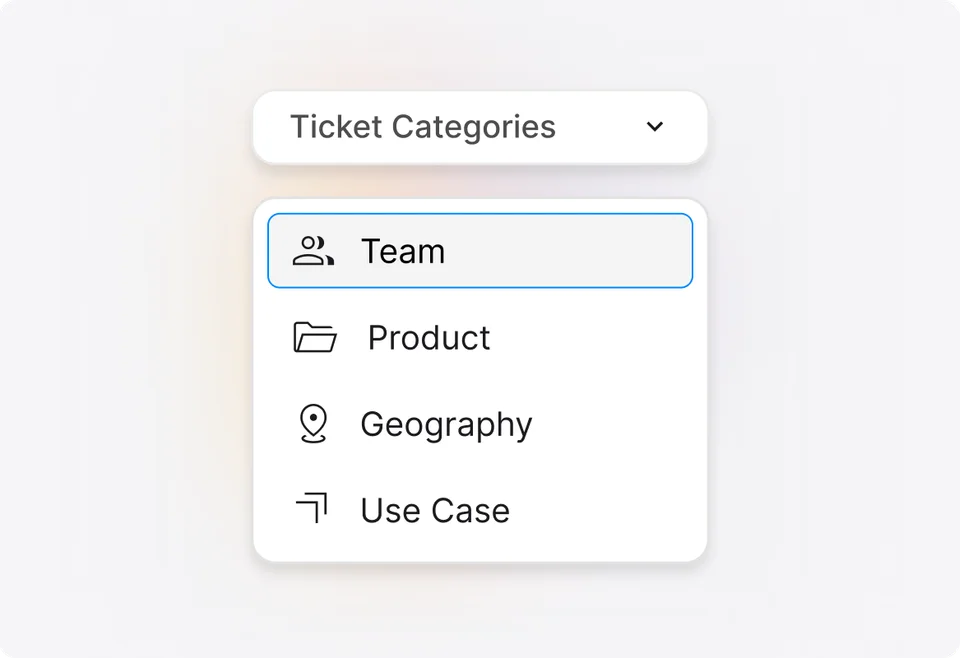
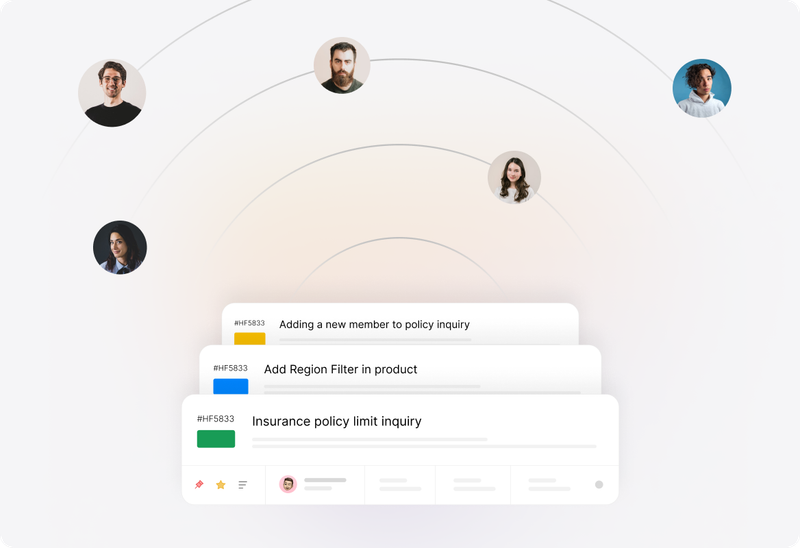
Separate billing questions, product issues, and other requests into categories. Give each team queues that bring its work into focus, with assignment and priority visible alongside the conversation.
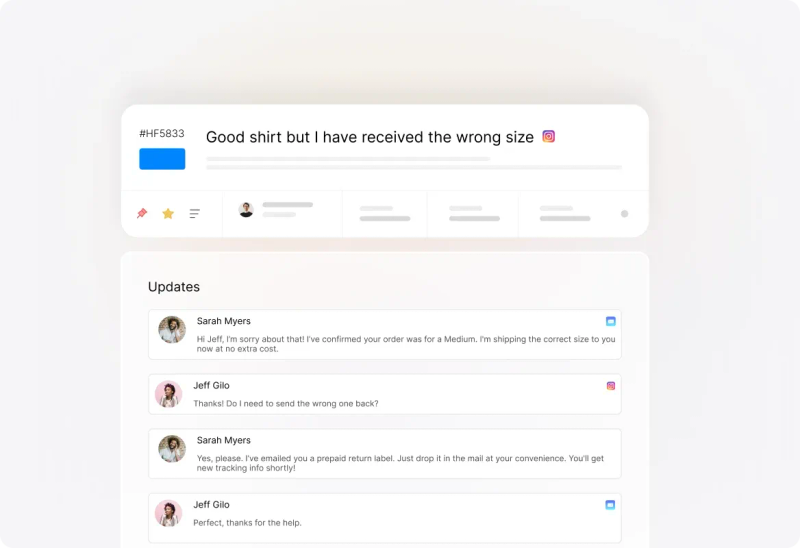
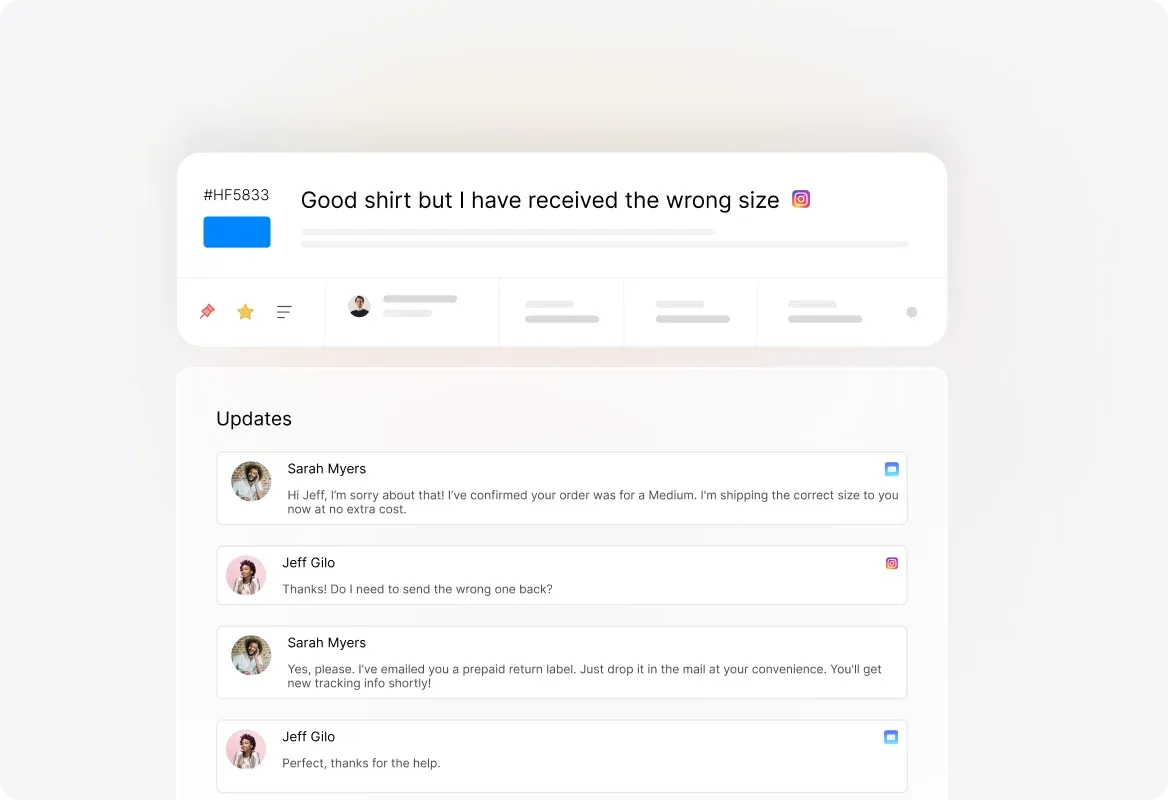
Bring customer messages, agent replies, and attachments together in the ticket. When someone picks up a conversation, they can read what has already happened before deciding what to do next.
Review
Open the ticket to review the message, attachments, earlier replies, and customer details. Check the category and priority so the next action reflects the request—not just where it sits in the inbox.
Assign
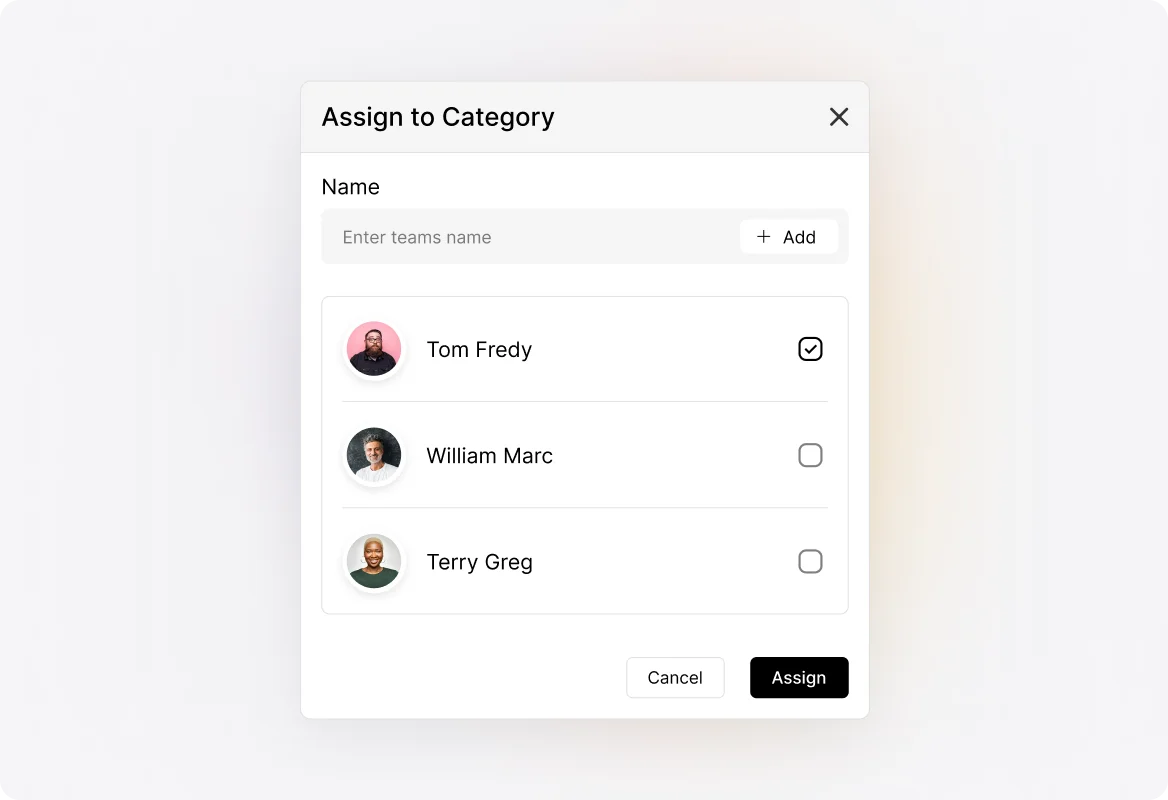
Assign an agent and use the ticket’s status to show its progress. If another team needs to handle the request, pass along the ticket and its history so the next person has the context to continue.
Collaborate
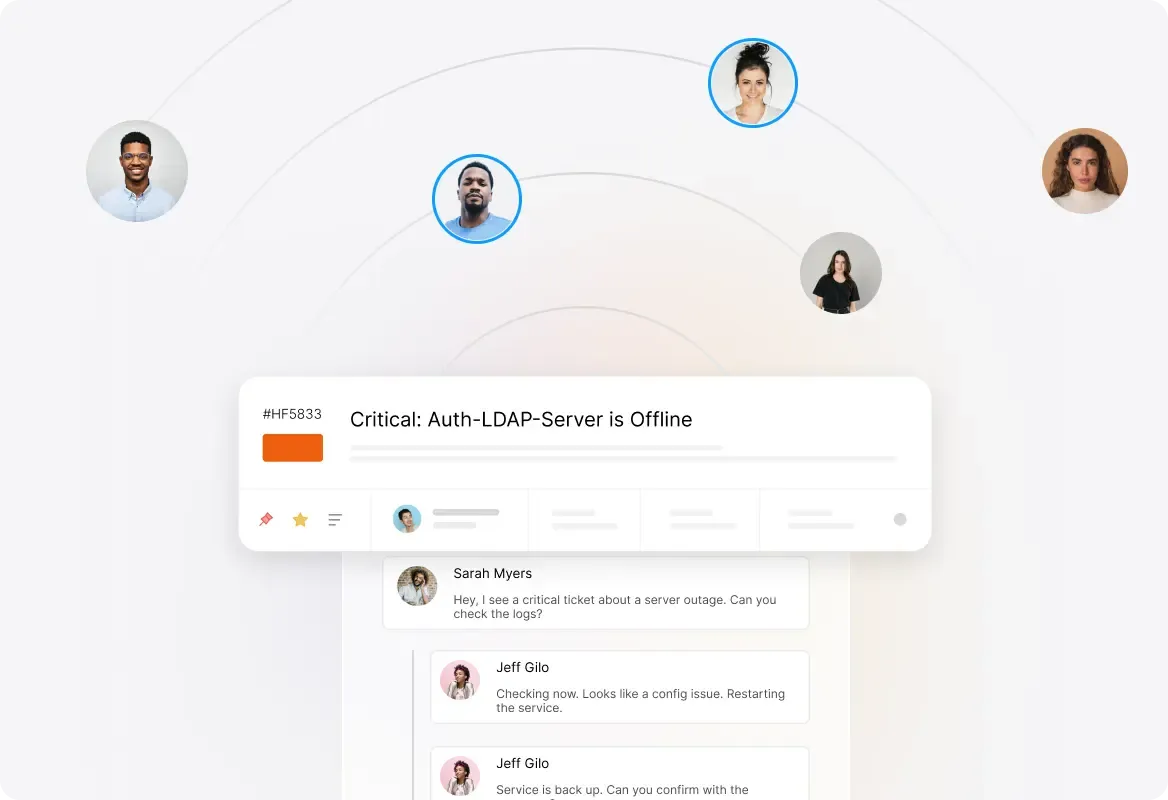
Use private notes to discuss the issue with colleagues inside the ticket. Bring in someone who knows the answer without adding internal discussion to the customer-facing email thread. Add subscribers who need to follow the work.
Reply
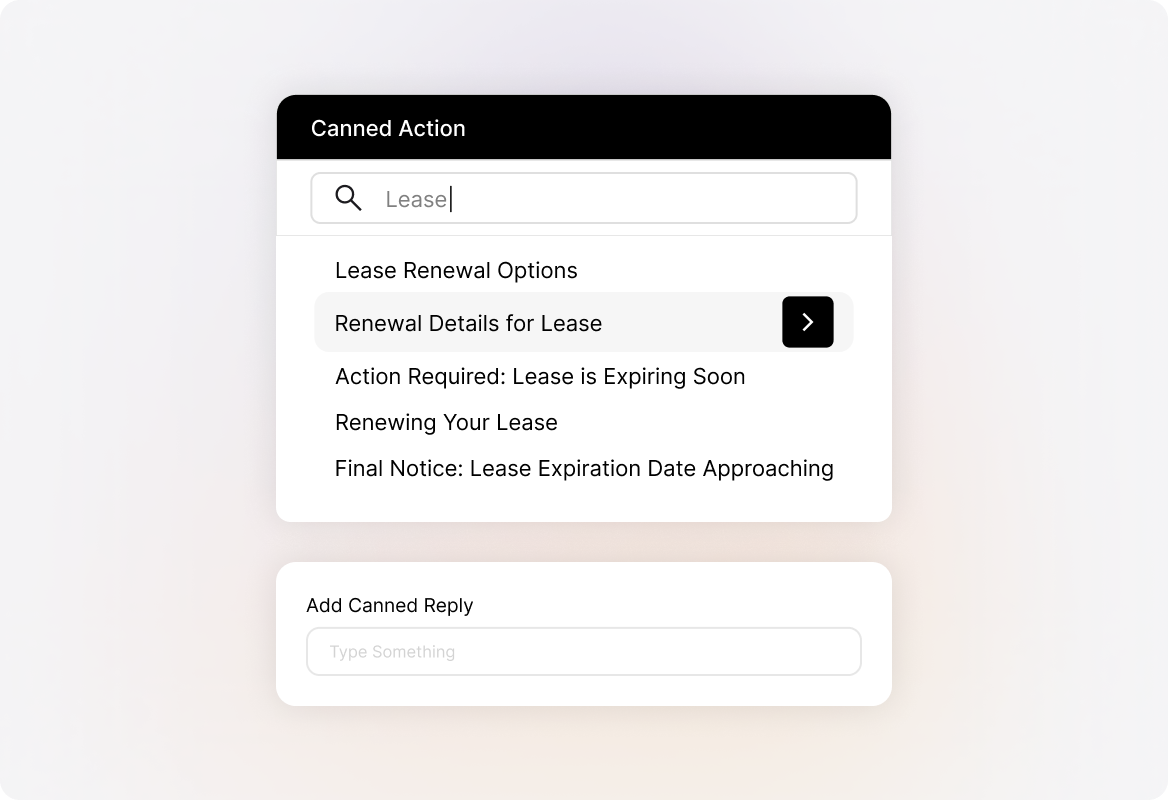
Write the customer’s response alongside the conversation. Use a Canned Action for a recurring answer, then adapt it to the question. Update the ticket’s status to reflect what happens next, including when the request is resolved.
Use ticket preview and Quick Reply when a message needs a straightforward response. Read and reply without opening the full ticket workspace.
Apply bulk changes to related tickets, including status, assignee, or due date. Handle routine queue maintenance without repeating the same action on every request.
Agent collision detection shows when teammates are viewing or composing on a ticket. Use that visibility to coordinate before two people prepare an answer. Availability depends on the plan.
Search tickets and narrow the results with filters. Return to a previous exchange when the customer follows up or a similar question comes in.
Use ticket actions to merge eligible duplicate requests or relate tickets that need to remain separate. Preserve the relationship between pieces of work as the issue develops.
Share a relevant knowledge base article when the customer needs instructions or a repeatable fix. Give agents a dependable reference to work from.
Use categories, assignment settings, and Smart Rules to direct incoming work. Configure the conditions that matter to your team so routine requests follow a defined path.
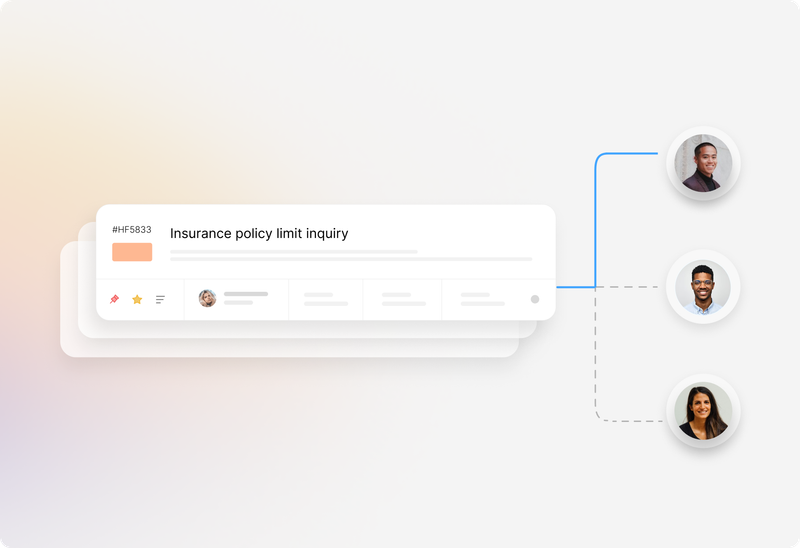
When a ticket meets your conditions, Smart Rules can change properties, add tags, or send notifications. Put repeatable administrative steps into the workflow so agents can concentrate on the customer’s question.
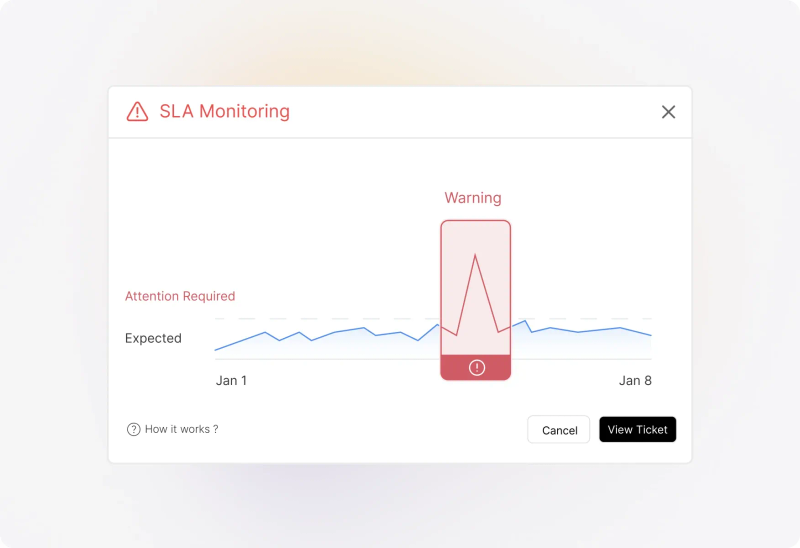
Set SLA targets and configure the available alerts or escalation actions. Help the team recognize requests that need attention, then review service performance to see where follow-up needs improvement. Actions depend on the plan and configuration.


“It has made us far more efficient and has eliminated duplicate work, missed emails, etc.”
Email support software gives a team a structured way to receive, assign, respond to, and track customer emails. HappyFox turns incoming support emails into tickets so responsibility, progress, and conversation history can be managed together.
A shared mailbox lets several people access messages. HappyFox adds ticket ownership, statuses, priorities, internal notes, automation, service targets, and reporting around the request. That becomes useful when the team needs to track the work beyond whether an email has been read or answered.
Yes. You can connect existing support mailboxes to HappyFox so customers continue using familiar addresses. Confirm the connection method and sending configuration for your email provider during setup.
Yes. Organize incoming requests into categories and give teams relevant queues, assignment rules, and permissions. Establish who should receive each type of email and which conversations other teams should be able to access.
Yes. Private notes keep internal discussion separate from customer-facing replies. Use them to ask a colleague for help or record information the next agent needs.
Ticket ownership makes responsibility visible, while agent collision detection shows colleagues’ activity on a ticket. Together, these help agents coordinate their responses. Collision detection is plan-dependent; it is not a guarantee that duplicate replies can never occur.
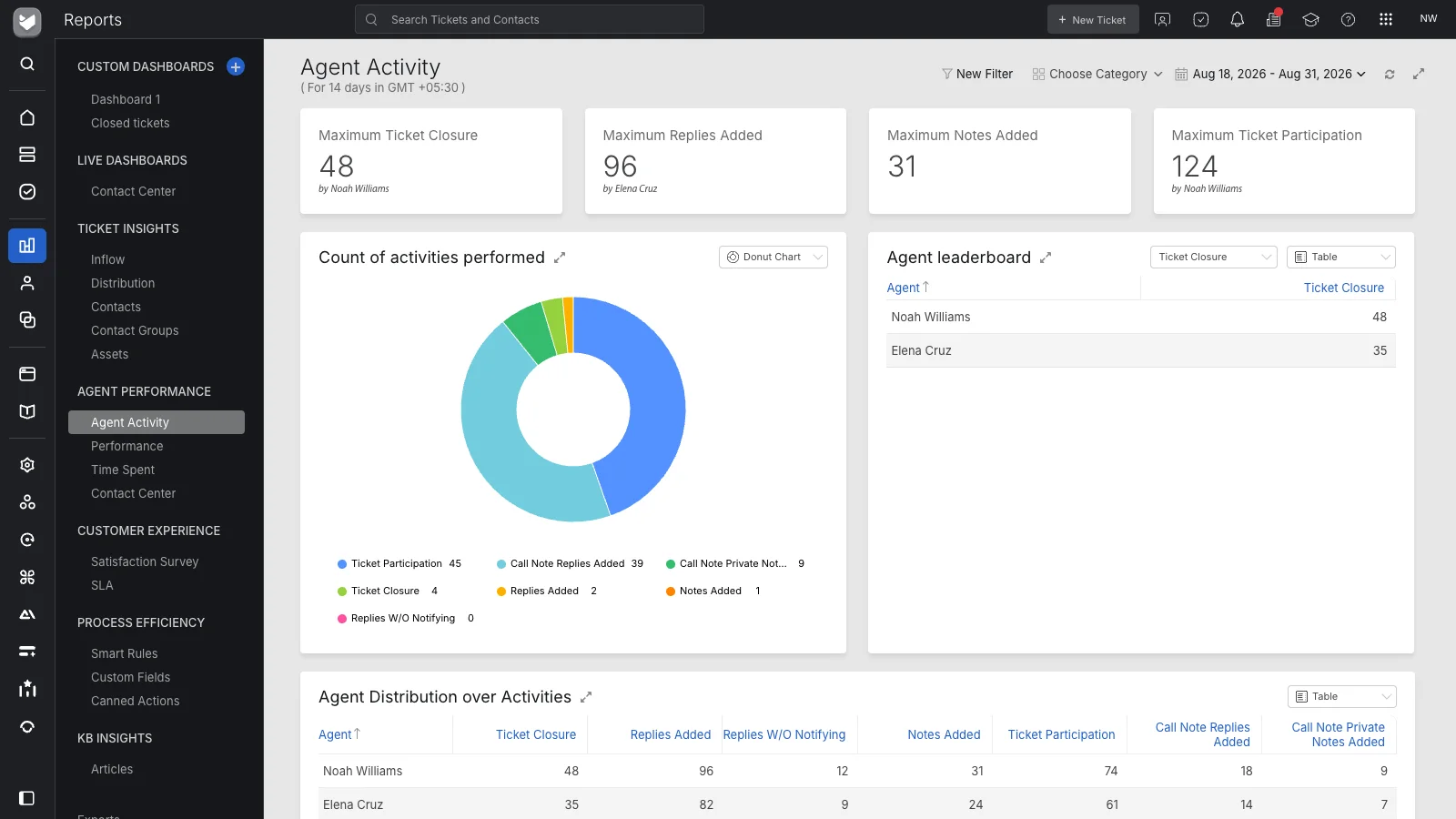
Review incoming demand, response and resolution times, agent activity, and SLA performance. Use categories and report filters to examine the relevant work. During evaluation, check that the reporting setup answers your team’s specific questions.
Customers can continue contacting your connected email addresses. Agents manage the resulting tickets in HappyFox. Your team will need to configure the mailboxes, categories, assignment process, notifications, and access permissions that support the way you work.
Bring an ordinary customer email, a request that needs another department, and an example of a follow-up that is easy to overlook. Walk through how each becomes a ticket, reaches an owner, gets an answer, and appears in reporting.